Selective, Not Fake: Why Choosing What You Share Online Is Its Own Kind of Truth
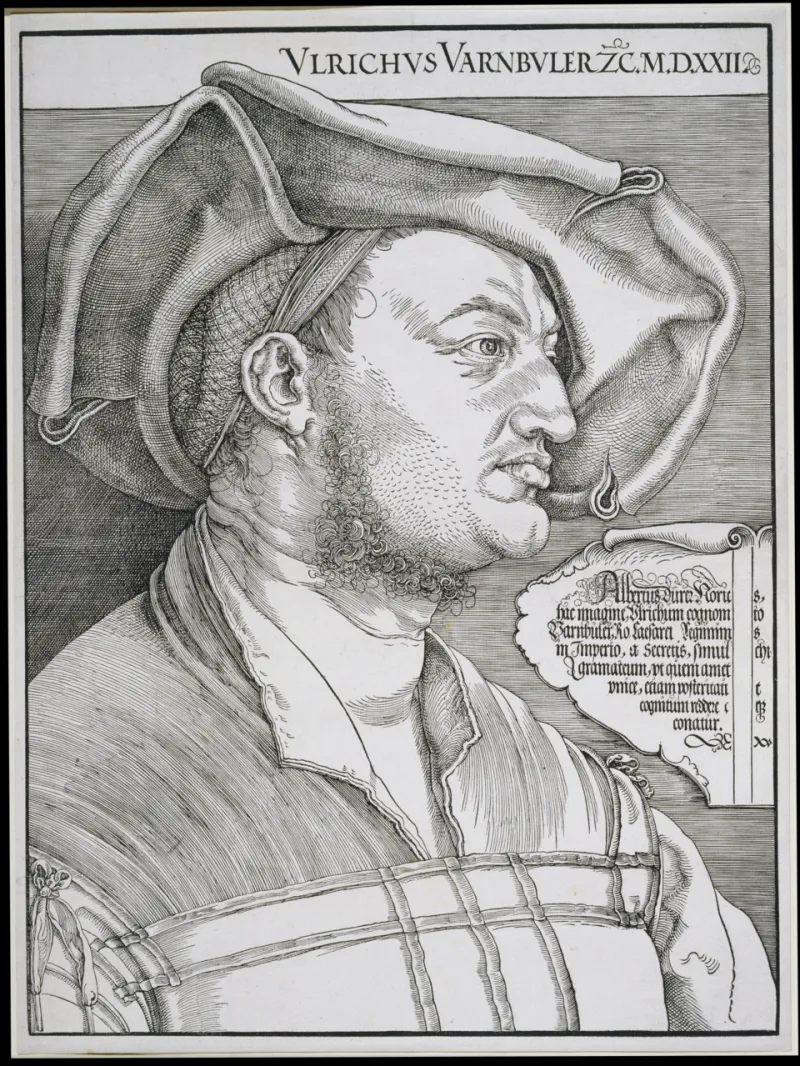
Photo: Albrecht Dürer, PDM-owner, via Wikimedia Commons
Somewhere along the way, the internet decided that authenticity meant showing everything. Raw footage. Unfiltered opinions. Trauma dumps at 2 a.m. The logic went: if you're editing yourself, you're lying. If you're choosing your words carefully, you're performing. And if your grid looks too good, well — who are you really trying to fool?
But here's the thing nobody really wants to say out loud: every single one of us curates. The people preaching radical transparency are still choosing which vulnerable moments to broadcast. The no-filter crowd still picks the shot. And the person who shares every messy detail of their life online is still making a choice about what counts as "the real story."
So maybe the question was never whether we curate. Maybe it was always about why — and what that says about us.
The Edit Is the Expression
Think about how you'd describe yourself to a new friend versus a job interviewer versus your therapist. Three completely different versions of the same person, right? And yet, we don't call that dishonest. We call it context. We call it reading the room. We call it being a functional human being who understands that different relationships hold different space.
Your online presence works the same way. The photos you choose to post, the captions you agonize over, the stories you let expire versus the ones you save to your highlights — all of it is a form of language. It communicates what matters to you, how you see yourself, what you want the world to know about where you've been and where you're headed.
That's not performance. That's authorship.
And honestly? The people who've figured out how to do it well — who share just enough to feel real without turning their feed into a confessional booth — tend to build the most genuine connections online. Because they're not dumping. They're inviting.
Oversharing Was Never the Same as Honesty
There was a cultural moment, not that long ago, where oversharing got rebranded as bravery. The more you put out there, the more "real" you were. And look — vulnerability has its place. Sharing struggle, talking about mental health, being honest about the parts of life that don't photograph well — all of that matters. It builds community. It makes people feel less alone.
But somewhere, the line between vulnerability and visibility got blurry. Sharing everything became its own kind of performance, just a different aesthetic. Instead of the perfectly curated highlight reel, it was the perfectly curated breakdown. Same audience awareness. Same calculation about what would land. Just a different costume.
The pressure to overshare — to prove your authenticity by leaving nothing private — actually stripped people of something important: the right to decide what belongs to them. Your grief doesn't owe the internet a post. Your relationship doesn't need a caption to be real. Your healing doesn't require an audience to count.
Choosing not to share something isn't the same as hiding it. Sometimes it just means it's yours.
What You Choose Says More Than You Think
Here's where it gets interesting. The curation itself — the specific, deliberate choices you make about your digital presence — ends up revealing a tremendous amount about who you actually are. Maybe more than a stream-of-consciousness feed ever could.
Someone who only posts about their creative work is telling you something real about their priorities. Someone who shares their neighborhood diner finds and indie bookstore visits is painting a genuine picture of how they move through the world. Even the person who keeps their profile almost entirely private is communicating something true: that intimacy is something they protect, not something they broadcast.
Your online persona isn't a mask over your real self. For a lot of people, it's a translation of it — rendered in whatever medium makes sense for where they are in life right now.
The Audience Changes the Story (And That's Okay)
One of the weirdest things about social media is that it collapsed all our different social contexts into one place. Your high school friends, your coworkers, your mom, your mutuals who've never met you in person — they're all theoretically seeing the same feed. That's not how human relationships work in real life, and it created a kind of impossible standard: be the same person for everyone, all the time.
The rise of close friends lists, private accounts, finsta culture, and small community spaces isn't people becoming more fake. It's people trying to restore something that got flattened: the idea that different parts of your life belong to different people, and that's not deceptive — it's just how closeness works.
Sharing something with fifty people you trust is different from broadcasting it to five thousand strangers. And the version of yourself you show in a tight-knit Discord community is going to be different from your public-facing Twitter presence. Both can be real. Both can be honest. The context just changes what honesty looks like.
So What Does Your Curation Actually Say?
If you step back and look at your own digital presence — not with judgment, just with curiosity — what does the edit reveal? What do you consistently choose to show? What do you consistently leave out? And what does that gap tell you about what you value, what you're protecting, and who you're trying to connect with?
Because the truth is, the most authentic version of you online isn't the one that shares the most. It's the one that shares intentionally. The one that knows what it's doing and why. The one that's made real choices about what deserves to be seen — and isn't apologizing for the rest.
That's not a curated persona. That's just you, being thoughtful about the story you're telling.
And honestly? That's more honest than anything.