Performing Realness: How 'Just Being Yourself' Became the Most Rehearsed Act Online
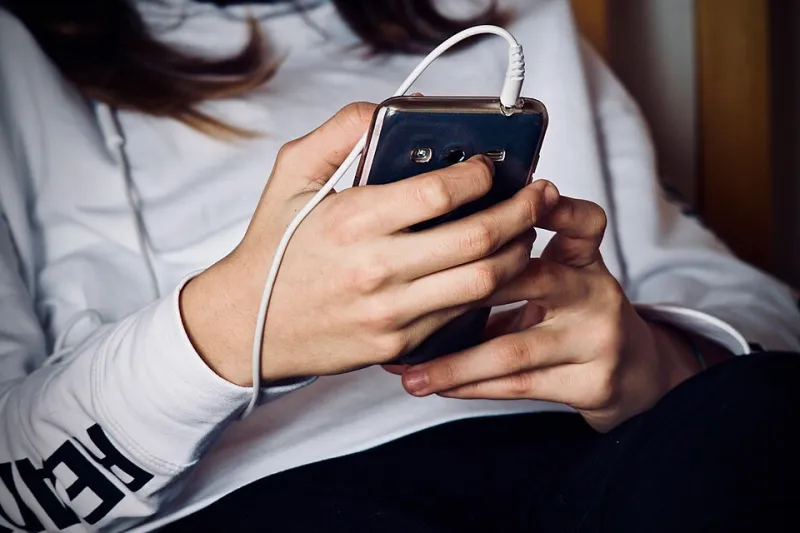
Photo: Luisella Planeta, CC0, via Wikimedia Commons
There's a specific kind of TikTok you've definitely seen. No makeup, slightly bad lighting, a shaky camera pointed at someone's tired face. They start with something like, "Okay I wasn't going to post this but..." and then deliver a perfectly paced, emotionally resonant story that ends with a lesson, a laugh, or a moment that makes you go damn, same.
It feels raw. It feels honest. And it probably took three or four takes to get right.
That's not a dig — it's just the reality of where we've landed. The call for authenticity online has been so loud, so relentless, that being "real" has quietly transformed into its own genre. Its own performance. And a lot of us are starting to feel the weight of that contradiction.
The Authenticity Arms Race
For a long time, the dominant social media mode was aspirational. Perfectly plated food, flawless travel photos, bodies that looked like they'd never experienced a Monday morning. The backlash was inevitable — and honestly, fair. People were exhausted by highlight reels that had nothing to do with their actual lives.
So the pendulum swung. Brands started getting "relatable." Influencers started posting their bad skin days. Celebrities jumped on BeReal (briefly). The message was clear: polish is out, realness is in.
But here's the thing about trends — they don't stop being trends just because the content looks messier. The aesthetics changed. The underlying logic didn't. People are still performing. They're just performing a different character now: the Authentic One.
And that character has its own rules. Post the crying selfie, but make sure the light is still decent. Share the struggle, but tie it up with a growth arc. Be vulnerable — just not too vulnerable, not in a way that makes people uncomfortable, not in a way that doesn't ultimately make you look self-aware and resilient.
It's exhausting to even type out.
Curated Vulnerability Is Still Curation
There's a term therapists and researchers have been throwing around: strategic self-disclosure. It basically means choosing what personal information to share, with whom, and when — in a way that manages how others perceive you. It's a normal human behavior in real life. But online, it's been turbocharged.
When someone posts about their anxiety, their failed relationship, their financial stress — that's often a real thing they're going through. The feelings are genuine. But the framing of that feeling, the timing of that post, the caption that goes with it? That's still a choice. A calculated one, even if it doesn't feel that way in the moment.
Gen Z especially has grown up knowing that everything is content. Not in a cynical way, necessarily — just as a fact of life. You document things. You share things. And somewhere in that process, the line between living an experience and shaping the narrative around it gets genuinely blurry.
Millennials aren't off the hook either. They pioneered the oversharing blog era, survived the Instagram highlight reel years, and are now trying to figure out how to exist on platforms that reward "keeping it real" while still being acutely aware that their professional contacts, exes, and parents might be watching.
When Your Flaws Become Your Brand
Here's where it gets really interesting — and kind of uncomfortable. Some people have built entire followings around being flawed. Around being a mess. Around "not having it together." And that's cool, genuinely, until you notice that the messiness is very consistent. Very on-brand. The chaos has a logo.
This isn't about calling anyone fake. It's about recognizing that the internet has a way of turning everything — including imperfection — into a product. Platforms reward content that performs well. Vulnerability performs well. So vulnerability gets optimized. Packaged. Repeated in slightly different formats until the algorithm is happy.
At some point, the person sharing their "authentic" story isn't really talking to you — they're talking to an audience. And that's a fundamentally different thing, even if the words are the same.
So What Does Real Actually Look Like?
Honestly? It might look like nothing. It might look like the stuff that never gets posted.
The genuinely unfiltered moments — the ones where you said something dumb, where you were petty, where you didn't have a lesson to offer at the end — those mostly don't make it online. Because they don't serve a narrative. They don't build a brand. They're just... human. Messy and pointless in the way that most of real life actually is.
Real authenticity might also look like inconsistency. Changing your mind. Posting something and then feeling weird about it later. Not having a signature "vibe." Being one kind of person on a Tuesday and a completely different one by Saturday. That's harder to monetize, harder to follow, harder to turn into content — which is maybe exactly why it's more genuine.
There's also something to be said for the people who've quietly stepped back from the whole game. Who still use social media but don't perform on it. Who share things without a strategy. Who are boring online in the best possible way because their actual life is where the interesting stuff is happening.
Finding Your Ground in a Documented World
None of this means you should feel guilty for curating how you show up online. Choosing what to share is just... being a person. You don't owe anyone your unedited interior life. Privacy is still allowed. Boundaries are still healthy.
But it might be worth asking yourself, every once in a while: Am I posting this because I want to, or because I'm building something? Not as a judgment — just as a check-in. There's a difference between sharing because it feels right and sharing because you've internalized a set of rules about what "authentic" content is supposed to look like.
The platforms are never going to stop rewarding performance. That's not going to change. But you get to decide, at least some of the time, whether you're playing the game or just living your life.
And maybe the most honest thing you can do online right now is admit — to yourself, even if not to your followers — that those two things are harder to separate than anyone wants to admit.
That's not a failure. That's just the world we're all navigating together.