Cringe Is Currency: How Your Worst Old Posts Became Your Most Authentic Content

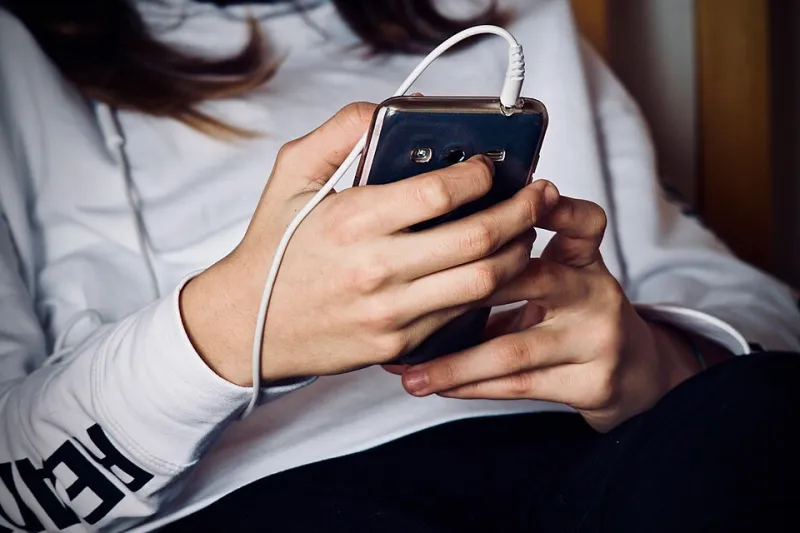
Photo: Ginevrajocosa88, CC BY 4.0, via Wikimedia Commons
Somewhere deep in the internet's memory, there's a version of you writing song lyrics as your Facebook status, posting a selfie with a duck face and a peace sign, or uploading a blurry photo of your dinner with a caption that aged... poorly. For years, the instinct was to delete it all, pretend it never happened, and move forward with a cleaner, more polished digital identity.
But something shifted. And honestly? The cringe era is having its moment.
The Archive Is Open — and People Are Diving In
There's a whole genre of content right now built entirely on excavating old digital embarrassments. TikTok is flooded with people reading their old Tumblr posts out loud, reacting to their early Instagram grids, and narrating the emotional spiral of their 2012 Twitter presence. These videos aren't just getting views — they're getting connection. Comments sections fill up fast with people saying "this is literally me" or "I thought I was the only one."
What used to feel like a liability — the messy, unfiltered, deeply earnest version of yourself that existed before you knew better — has quietly become one of the most relatable things you can put online. Because everyone had that phase. Everyone was a little too much, a little too raw, a little too online in the worst possible way. And there's something genuinely comforting about watching someone else own theirs.
Why Now? The Backlash Against Perfection
It's not a coincidence that this is happening alongside a broader fatigue with curated content. Feeds that look like magazine spreads, captions workshopped to death, aesthetics so tight they feel like brand decks — people are tired of it. Not just tired of seeing it, but tired of producing it.
The old posts represent the opposite of all that. They're proof that you existed online before you knew the "rules," before you understood lighting or engagement strategy or personal branding. You were just... a person, putting stuff out there because you felt like it. That energy is rare now, and people feel its absence.
When someone posts their old MySpace layout — complete with autoplay music they definitely chose to reflect their soul — it doesn't just get laughs. It gets warmth. Because it's a timestamp of someone being fully themselves without a filter, and that reads as more honest than anything algorithmically optimized ever could.
Platforms Are Paying Attention
Here's where it gets interesting from a platform perspective: the nostalgia economy is real, and companies are actively building around it. Facebook's "Memories" feature has been around for a while, but the way people use it has evolved — less cringing in private, more screenshotting and reposting with commentary. Timehop built its entire identity around this concept. Snapchat's Memories and Instagram's archive features have made it easier than ever to resurface old content and re-contextualize it.
There's also a growing number of third-party tools and communities dedicated to helping people recover old accounts, download digital archives, and piece together their internet history. Some people are building entire content series out of it — a kind of personal documentary told through screenshots and old usernames.
For platforms, the pitch is obvious: old content extends engagement. If you can get users emotionally invested in their own history, they stick around longer. But for the users themselves, something more personal is happening.
Owning the Mess Is Its Own Kind of Power
There's a difference between being embarrassed by your past and performing embarrassment as a way to control the narrative. The people doing this well aren't just laughing at themselves — they're reclaiming the story. By being the first one to say "look how unhinged I was," you take away anyone else's ability to use it against you.
It's also a form of self-compassion that's surprisingly hard to come by online. When you look back at a 17-year-old version of yourself writing dramatic captions about heartbreak or posting questionable opinions about movies, the reaction doesn't have to be shame. It can be tenderness. That person was figuring it out in real time, in public, with whatever tools they had. That's kind of brave, actually.
Millennials especially are finding this reframe useful. A generation that grew up in full public view — through the birth of social media, through every platform's awkward early years — carries a lot of digital baggage. The shift toward embracing that baggage rather than hiding it feels like a kind of collective exhale.
The Authenticity Paradox
Here's the twist, though: the moment "posting your cringe" becomes a strategy, it starts to lose the thing that made it work. If you're carefully selecting which old posts to share, timing the reveal for maximum engagement, and writing a polished caption about your "glow-up journey" — you've just rebuilt the same curated machine with different materials.
The posts that actually land are the ones where the discomfort is real. Where you can tell the person posting is genuinely a little vulnerable about it, not performing vulnerability. Audiences are good at sensing the difference, even if they can't always articulate why.
That's the tightrope. Authenticity that knows it's being watched stops being authentic. But that doesn't mean you shouldn't try — it just means the goal isn't going viral. The goal is actually connecting with people who see themselves in your weird, specific, embarrassing history.
Your Digital Past Is a Story Worth Telling
If you've got an old account gathering dust somewhere — a forgotten Tumblr, a Myspace page you haven't thought about in fifteen years, a Facebook album from 2008 — consider this your sign to go look at it. Not to delete it. Not to cringe alone. But to actually sit with who you were, what you cared about, and how you showed up in digital spaces before you knew what you were doing.
That version of you was real. Probably more real than whatever polished persona you've been maintaining since. And if you feel like sharing it? Somewhere out there, someone is going to see it and feel a little less alone in their own messy archive.
That's what good content does. And sometimes the best content is the stuff you made before you were trying to make good content at all.