Seven Industries That Stopped Selling Products and Started Selling Vibes
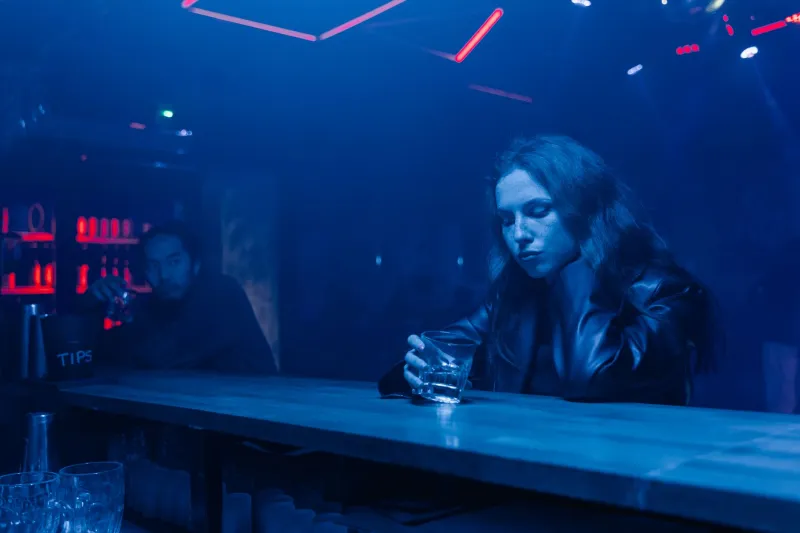
Somewhere along the way, 'vibe' stopped being a punchline and became a purchase criterion. We don't ask if a restaurant has good food anymore — we ask if it's a vibe. We don't pick a playlist; we pick a mood. The word went from slang to shorthand to, whether we meant it or not, a whole decision-making framework.
And American business noticed. Fast. Here's a tour of seven industries that figured out the product is secondary and the feeling is the product.
1. Restaurants: Menu Optional, Atmosphere Mandatory
The rise of the 'vibe dining' spot is real: restaurants designed first as backdrops, food second. Dim lighting, a specific playlist, servers dressed like your coolest friend. Diners aren't just buying dinner — they're buying the evening they'll post about. The menu matters, but the lighting books the table.
2. Streaming: Playlists Named After Feelings
Nobody searches 'upbeat pop songs' anymore. We search 'late night drive' and 'that feeling when it's finally fall.' Streaming platforms caught on and now curate by emotion, not genre. The playlist title is the pitch: it's not selling music, it's selling the moment you want to have while the music plays.
3. Real Estate: 'Vibe' Shows Up in Listings
Scroll Zillow long enough and you'll see it — listings selling 'city energy' or 'quiet mountain vibes' before mentioning square footage. Remote work untethered Americans from their commutes, so people started choosing where to live based on how a place feels. Whole relocation decisions now start with a mood board.
4. Fitness: The Gym Became an Aesthetic
Yoga studios with candlelight and sound baths. Running clubs that are 40% workout, 60% social event. Boutique fitness stopped competing on equipment and started competing on atmosphere — the room, the music, the community. People aren't buying a workout; they're buying the version of themselves that exists in that room.
5. Retail: Stores You Want to Live In
The best shops in America right now are basically stage sets. Bookstores with espresso bars and listening stations, home goods stores that look like a friend's impossibly perfect apartment. You come in for a candle and leave with a lifestyle, because the store itself is the advertisement for the vibe you're buying into.
6. Travel: The Trip Is a Mood
'Hot girl summer.' 'Cottagecore weekend.' 'Main character trip to Rome.' Travel marketing has fully embraced identity-moods over destinations. Agencies and influencers alike now sell a feeling first and attach a flight to it. You don't book a vacation; you book the person you'll be on it.
7. Nightlife: The Door Is the Product
The hardest reservation in any city isn't the food — it's the listening bar, the no-phones lounge, the spot with a strict 'good energy' door policy. Nightlife operators learned that curation of the crowd is the offering. People pay covers and wait in line for the privilege of a room where the vibe has been, apparently, verified.
So What's Actually Going On?
You could be cynical about all this — and some of it deserves the side-eye. 'Vibes' can be a way of charging more for less. But there's something real underneath: Americans got tired of buying things and started wanting to buy feelings. After a few years of screens and stress, atmosphere became the luxury.
The companies that get it aren't asking 'what should we sell?' They're asking 'how should this feel?' Annoying as the word has become, that might be the most honest question in commerce right now.
It's a whole vibe. Unfortunately, it's also the whole business plan.