Turns Out, Your Weird Little Hobby Might Actually Pay Your Rent
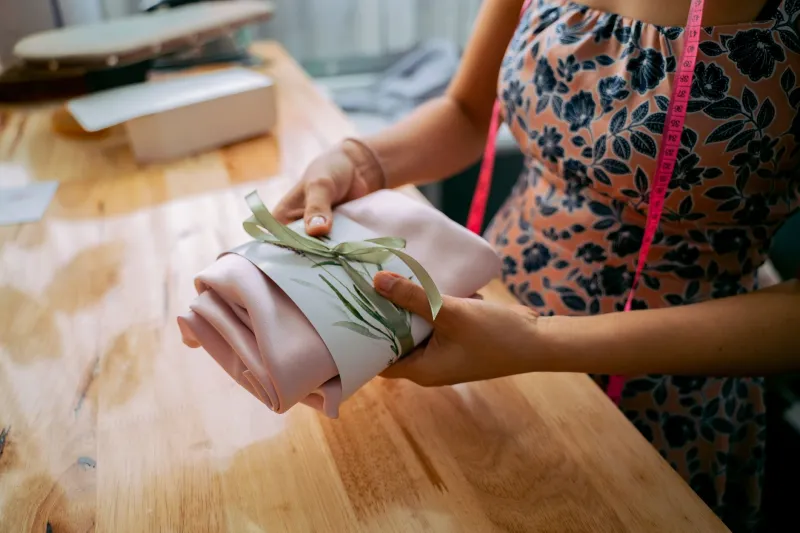
For most of her twenties, Danielle spent her weekends elbow-deep in resin, casting tiny botanical specimens into jewelry that her family politely called "interesting." She sold a few pieces to coworkers, posted occasionally on Instagram, and figured that was about as far as it would ever go. Then she joined a Discord server for craft sellers, got some honest feedback on her pricing, and relisted her shop on Etsy. Within eight months, she'd pulled in over $14,000 from people who didn't just appreciate her work — they needed it.
Danielle's story isn't a fluke. It's becoming something of a pattern.
The Niche Isn't a Liability Anymore
For a long time, having a hyper-specific passion felt like a social handicap. You were the person who could talk for forty-five minutes about vintage synthesizer repair or competitive axolotl breeding and watch everyone else slowly check their phones. The mainstream had no real use for you.
But the internet — and specifically the rise of tight, interest-based communities — flipped that script entirely. What used to isolate you is now your competitive advantage. When your audience is global, even the most niche hobby has thousands of potential customers, students, or collaborators waiting to find you.
Platforms like Etsy, Gumroad, Patreon, and even Substack have lowered the barrier to monetization so dramatically that you no longer need a PR team or a six-figure follower count to build something real. You just need to be genuinely, almost unreasonably into something — and willing to share it.
Discord Changed the Game (Quietly)
If there's one platform that deserves more credit in this conversation, it's Discord. Originally built for gamers, it's quietly evolved into one of the most functional community infrastructure tools on the internet. And for niche creators, it's become something close to a headquarters.
Think about what Discord actually enables: you can build a private community around your expertise, run paid membership tiers, host live Q&As, drop exclusive tutorials, and consult one-on-one — all within a single server. A guy in Portland who's obsessed with sourdough fermentation science runs a Discord with 4,000 members and a $9/month premium tier. A woman in Atlanta who repairs and customizes vintage denim charges for style consultations through her server. These aren't influencers. They're specialists who found their people.
The community aspect matters more than most people realize. When you're not just selling a product but building a space where people feel genuinely understood, the loyalty you generate is something no algorithm can replicate.
You Don't Have to Go Viral. You Have to Go Deep.
Here's the thing that trips people up when they first consider monetizing a hobby: they think they need to blow up first. They compare themselves to creators with hundreds of thousands of followers and assume that's the prerequisite for making money.
It's not.
Micro-communities — audiences of a few hundred to a few thousand highly engaged people — can be more financially sustainable than massive followings full of passive scrollers. A ceramics artist selling limited-run pieces to 800 devoted collectors will often out-earn someone with 80,000 casual Instagram followers who never actually buy anything.
This is the economics of depth over breadth. And it's why so many niche creators are quietly thriving while the "go viral" crowd burns out chasing trends.
What's Actually Selling Right Now
So what kinds of obscure passions are actually generating income in 2024? The range is genuinely wild.
People are making money teaching others how to press and frame botanical specimens. There are paid communities built around competitive puzzle solving, urban foraging, film photography development, antique map collecting, and niche historical costuming. One creator runs a paid newsletter entirely about the history and culture of specific regional American diners. Another offers virtual consulting for people trying to build elaborate terrarium ecosystems.
The common thread isn't the hobby itself — it's the depth of knowledge and the community built around it. People aren't just paying for information. They're paying for access to someone who genuinely cares, and for a sense of belonging among others who get it.
Starting Without Burning Out
If you're sitting on a passion that feels too specific to ever be profitable, here's the honest advice: start with community before you start with commerce.
Find the Reddit threads, the Facebook groups, the Discord servers where your people already hang out. Show up, contribute, answer questions, share what you know. Let the relationships come first. Monetization gets a lot easier when you're not a stranger trying to sell something — you're a trusted voice in a space people already love.
From there, think small and intentional. A $15 digital guide. A $5/month Discord tier with exclusive content. A one-hour consulting call. You don't need to build an empire overnight. You need to find ten people who are excited to pay you, then twenty, then fifty.
The niche hobby economy isn't really about hustle culture or passive income fantasies. It's about the genuinely radical idea that the things you've always cared about — the weird, specific, deeply personal things — might actually be worth something to someone else. Probably more someones than you'd ever expect.